
Hobbies and interests
Basketball
Fencing
Gardening
Cooking
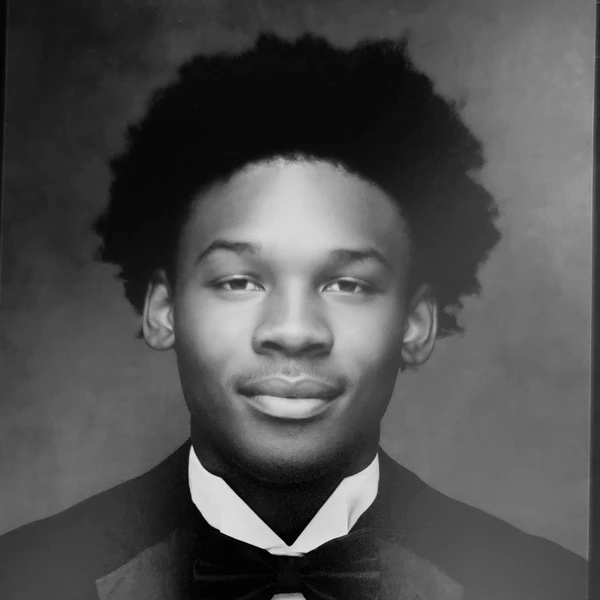
Aaron Love
1x
Finalist
Aaron Love
1x
FinalistBio
An Agricultural and Medical Biotechnology major at the University of Kentucky with a clear commitment to scientific research and community impact. I bring strong academic performance, hands‑on laboratory experience, and a genuine passion for improving health and agricultural systems. i am driven, disciplined, and focused on using biotechnology to solve real problems in underserved communities. I am determined to become a scientist whose work strengthens public health and expands access to innovative technologies. I have work ethic, integrity, and long‑term vision make him an excellent candidate for this scholarship.
Education
University of Kentucky
Bachelor's degree programMajors:
- Biological and Biomedical Sciences, Other
Minors:
- Agricultural and Food Products Processing
Greater Atlanta Christian School
High SchoolMiscellaneous
Desired degree level:
Doctoral degree program (PhD, MD, JD, etc.)
Graduate schools of interest:
- Emory University
- Mercer University
Transfer schools of interest:
Majors of interest:
- Chemistry
- Human Biology
- Zoology/Animal Biology
- Registered Nursing, Nursing Administration, Nursing Research and Clinical Nursing
- Agricultural Engineering
- Biological and Biomedical Sciences, Other
- Medicine
Career
Dream career field:
- Medical Practice
Dream career goals:
Sports
Fencing
Club2011 – 202514 years
Awards
- Yes
Bulkthreads.com's "Let's Aim Higher" Scholarship
The thing I want to build is a future where people feel supported, understood, and capable of becoming the best version of themselves. I want to build a life that is rooted in service and connection, and I want that work to ripple outward into my community. For me, building is not only about creating something physical. It is about shaping a path, a purpose, and a commitment that strengthens the people around me.
One of my biggest goals is to build a career in a field where I can support others through moments of uncertainty. I have seen how powerful it is when someone feels heard and guided, especially during stressful or confusing times. My education will give me the knowledge and tools to help people navigate challenges with confidence. I want to build programs that make resources easier to access. I want to create environments where people feel safe asking for help. I want to make information clear and supportive instead of overwhelming.
I also want to build stronger relationships within my community. I have learned that connection is one of the most valuable things a person can offer. When people feel connected, they feel less alone. They feel more hopeful. They feel more willing to grow. I want to mentor younger students, support local organizations, and work with families who need guidance. I want to build trust by showing up consistently and with compassion.
Building my future also means building myself. I want to grow into someone who leads with empathy and steadiness. I want to strengthen my ability to listen, to communicate, and to understand people deeply. Every step I take in my education will help me become someone who can make a meaningful difference.
The impact I hope to make is simple but powerful. I want to build a future where my work helps people feel seen and supported. I want to build a community where care is normal and connection is strong. I want to build a life that reflects the values I was raised with and the purpose I am choosing for myself.
Ethel Hayes Destigmatization of Mental Health Scholarship
My experience with mental health has shaped my goals, my relationships, and the way I understand the world in ways I never expected. It has forced me to grow, to reflect, and to learn how to show up for myself and for others with patience and honesty. It taught me that strength is not the absence of struggle. Strength is the willingness to face what hurts and still choose to move forward.
There was a period when anxiety felt like a constant weight on my chest. I did not always know how to explain it, and I did not always know how to ask for help. I tried to push through it alone, but all that did was make the fear louder. Learning to acknowledge my mental health openly changed everything. It taught me how to breathe through moments of panic instead of pretending they were not happening. It taught me how to recognize when I needed support and how to accept it without feeling ashamed.
This experience reshaped my relationships. I became more patient with people because I understood how much someone can be carrying behind a calm expression. I learned to listen without rushing to solve everything. I learned to check in on friends even when they insisted they were fine. Mental health taught me that care is not always dramatic. Sometimes it is quiet presence. Sometimes it is a simple message that reminds someone they matter. These lessons made my relationships deeper, more honest, and more compassionate.
My understanding of the world changed as well. I stopped assuming that struggle is a sign of weakness. I began to see how many people move through life with invisible battles. I realized that compassion is not optional. It is essential. It is what allows communities to stay connected. It is what helps people feel safe enough to be themselves. My mental health journey taught me to look beyond the surface and to treat people with gentleness, even when I do not know their story.
These experiences shaped my goals for the future. I want to work in a field where I can support others with clarity and empathy. I want to help create environments where people feel comfortable asking for help. I want to make mental health conversations normal instead of something people whisper about. My education will give me the tools to do that. It will allow me to understand people more deeply and to build systems that make care accessible and respectful.
I am nineteen, but I already know that the impact I want to make is rooted in compassion. My mental health journey did not break me. It shaped me. It taught me how to show up for myself and for others. It taught me that healing is not a straight line, but it is possible. And it taught me that the world becomes better when we choose to care.
Sloane Stephens Doc & Glo Scholarship
The impact I want to make begins with a simple belief. A community becomes stronger when people feel seen, supported, and valued. I want to use my education to help create spaces where people feel safe enough to grow and confident enough to pursue their goals. My vision is rooted in the idea that change does not always begin with grand gestures. It often starts with one person choosing to show up with intention and care.
My desire to give back comes from the people who shaped me. My father, a veteran, taught me what it means to protect others even when no one is watching. My mother showed me what quiet strength looks like when she supported our family through difficult seasons. My church community taught me that compassion is a daily practice. These influences formed the foundation of my values and the future I want to build.
Education is the tool that will allow me to turn those values into action. I want to study in a field that gives me the knowledge and skills to support people who feel overlooked or overwhelmed. Whether I am working in health, community development, or advocacy, I want to be someone who helps people navigate challenges with clarity and confidence. I want to create programs that make resources easier to access. I want to help build systems that treat people with dignity. I want to use what I learn to make sure no one feels alone in moments when they need guidance.
My vision for the future is shaped by the communities that raised me. I have seen how powerful mentorship can be when a younger student begins to believe in themselves because someone took the time to invest in them. I have seen how important local nonprofits are when families receive food, support, or encouragement during difficult times. I have seen how cultural centers and churches create belonging for people who feel disconnected. These experiences showed me that community work is not just helpful. It is transformative.
The change I am determined to create is rooted in connection. I want to help build neighborhoods where people know they can rely on one another. I want to support youth who need guidance and adults who need stability. I want to strengthen local organizations that are already doing meaningful work. My education will give me the tools to expand these efforts and make them sustainable.
I am nineteen, but I already understand that impact is not measured by age. It is measured by intention and the willingness to act. My vision is to become someone who uses knowledge, compassion, and leadership to make life better for the people around me. I want to shape a future where communities thrive because people choose to care. That is the impact I am committed to creating, and my education will be the foundation that makes it possible.
J&Y Law Yahouda Yahoudai Service Scholarship
Community has always been the foundation of my growth, and I have learned that the strongest communities are built through consistent acts of compassion. I have tried to contribute to that strength through service that is steady, intentional, and rooted in care. My efforts have not been dramatic, but they have been meaningful, and each experience has shaped the way I understand responsibility and connection.
One of the most impactful ways I have served my community is through volunteer work with local nonprofit organizations. I have helped with food distribution events that support families facing financial hardship. At these events I learned that service is not only about handing someone a bag of groceries. It is about offering dignity and a moment of relief. I met parents who were working long hours and still struggling to provide for their children. I met older adults who felt forgotten. Showing up for them reminded me that even small acts can change the way someone feels about their day and their future.
My church has also played a major role in my community involvement. I have supported youth programs, assisted with seasonal drives, and helped organize outreach events that bring people together. The church taught me that community is not just a physical place. It is a feeling of belonging and a network of people who show up for one another. Through these experiences I learned how to lead with empathy and how to serve without expecting anything in return. I saw how a simple gesture, like listening to someone who feels alone, can create a sense of connection that lasts.
In school I joined organizations focused on mentorship and student support. I worked with younger students who were struggling academically or socially. Sometimes they needed help with homework. Other times they needed someone to remind them that they mattered. Being a mentor taught me patience and showed me how powerful encouragement can be. When a student begins to believe in themselves because someone took the time to invest in them, it changes their confidence and their path.
I have also supported local businesses by participating in community events that highlight small shops and family owned establishments. These businesses are the heartbeat of our neighborhoods. Helping them thrive strengthens the entire community. Whether I was volunteering at a local fair or assisting with promotional events, I saw how important it is to uplift the people who keep our towns vibrant and connected.
Some of the most meaningful service I have done has been quiet and personal. I have helped neighbors with transportation, supported friends through difficult moments, and assisted families who needed guidance or encouragement. These everyday acts taught me that service does not always happen in organized spaces. It often happens in moments when someone needs support and you choose to show up.
All of these experiences have shaped my values and my future goals. They taught me that compassion is not a single action. It is a way of living. They taught me that strong communities are built by people who care enough to act. As I continue my education, I want to carry these lessons with me and build a future where service remains at the center of everything I do.
Neetu Watumull Scholarship Program for Those Who Serve Managed by Rupa Shah
My qualifying relationship is as the child of a parent who served. My father is a veteran who dedicated years of his life to protecting our country and supporting the safety of others. His service shaped our home in quiet but powerful ways. He carried discipline, humility, and a deep sense of responsibility into every part of our lives. Even after leaving active duty, he continued to support other veterans and first responders, showing me that service does not end when the uniform comes off.
Because of him, I grew up surrounded by public safety communities. Veterans, military families, first responders, and law enforcement personnel were part of our daily life. They were the people who helped each other during hard times, who showed up without being asked, and who carried experiences that most people never see. I watched how they supported one another through stress, loss, and transition. Their strength was steady, not loud, and their commitment to each other taught me what real community looks like.
This connection shaped my values early. I learned that service is not about recognition. It is about responsibility. It is about stepping forward when others step back. It is about protecting people even when no one is watching. Growing up in this environment taught me to respect sacrifice and to understand the weight of duty.
These lessons guide my educational journey. They push me to pursue a path where I can support others with clarity, compassion, and steadiness. I want to honor the communities that raised me by becoming someone who helps people feel safe, informed, and cared for. Their example continues to shape the future I am working toward and the kind of professional I hope to become.
Nadia Ansari Design Award
One problem in health and patient care that I refuse to accept as normal is the way people are often treated as tasks instead of human beings. I have seen patients sit in crowded waiting rooms with fear in their eyes and no one checking on them. I have watched family members struggle to understand medical instructions that were delivered too quickly. I have seen people leave appointments feeling dismissed or confused. At nineteen I may not have the authority to change the entire system yet, but I do have the determination to challenge the idea that this experience is inevitable.
My understanding of this problem began with my own family. A close relative went through a long recovery process that required constant appointments and follow ups. I was there for many of them and I saw how overwhelming it was to navigate a system that felt rushed and disconnected. I paid attention to every detail. I listened to nurses who were doing their best under pressure. I watched how patients reacted when someone took even one extra minute to explain something clearly. Those moments taught me that the real issue is not only medical. It is emotional. People need care that honors their dignity.
To learn more, I volunteered in community health spaces where people receive support outside of hospitals. I helped at health drives and spoke with families who were trying to manage chronic conditions. I listened to older adults who felt lost when instructions were too complicated. I listened to young people who felt judged for asking questions. Every conversation made the problem more real. People are not asking for miracles. They are asking to be treated with patience and respect.
Understanding the problem pushed me to think about solutions. I want to help build systems that make communication simple and human. I want to design tools that explain medical information in ways that feel clear instead of intimidating. I want to create spaces where patients can ask questions without feeling rushed or embarrassed. Even small changes can transform the experience. A follow up call. A clear explanation. A moment of kindness. These actions can turn fear into trust.
This issue shapes the future I want to create because I want to work in health in a way that centers people first. I want to be part of a generation that refuses to accept cold or distant care as normal. I want to help build a world where patients feel like partners in their own healing. I want to bring empathy into every part of the process because I have seen how powerful it is when someone feels understood.
I know I am still young, but I also know that change begins with refusing to accept what is broken. I refuse to accept a system where people feel invisible during moments when they need support the most. That belief will guide me as I grow, as I learn, and as I work toward a future where health care feels more human for every person who walks through its doors.
Sherman S. Howard Legacy Foundation Scholarship
My involvement in my local church has shaped the way I serve my community more than almost anything else in my life. At nineteen I am still figuring out who I am and what kind of impact I want to make but the church has given me a place where serving others feels natural instead of forced. It is the first space where I learned that helping people is not about being perfect or having everything together. It is about showing up with whatever you have and trusting that it matters.
Being active in my church taught me how powerful small acts of kindness can be. I used to think service meant doing something huge or dramatic. Instead I learned that greeting people at the door with a smile can change the way someone feels about their entire day. Helping set up chairs for an event or passing out food at a community drive might seem simple but those moments showed me that service is built from consistency and heart. When you see families come through who are struggling or people who just need someone to talk to you realize how much your presence matters.
My church also pushed me to grow emotionally. I am not always confident and sometimes I doubt whether I am doing enough or doing things the right way. But being surrounded by people who encourage me and remind me that I have something to offer helped me find a voice I did not know I had. When I volunteer I feel connected to something bigger than myself. I feel like I am part of a group of people who believe in lifting others up and that makes me want to carry that same energy outside the church walls.
One of the biggest lessons I learned is that service is not just an event. It is a mindset. My church taught me to pay attention to people. To notice when someone looks overwhelmed. To listen when someone needs to vent. To be patient even when I am tired. Those habits follow me into my community. They show up when I help classmates who are stressed or when I support friends who are going through something heavy. I do not always get it right but I try to be someone who brings calm and encouragement wherever I go.
My involvement in church also made me more aware of the needs around me. Before I volunteered I did not realize how many people in my own community struggle with food insecurity or loneliness or financial pressure. Seeing those realities up close changed the way I think. It made me want to be part of the solution instead of pretending the problems are too big to fix. Even if I can only help a little I want to help.
In the end my church did not just teach me how to serve. It taught me why service matters. It showed me that giving your time and energy is not about getting recognition. It is about making someone else’s load a little lighter. At nineteen that lesson feels like something I will carry for the rest of my life.
Learner Online Learning Innovator Scholarship for Veterans
Online Platforms and Tools That Support My Learning
As a STEM student majoring in Agricultural and Medical Biotechnology, I rely on a variety of online platforms, tools, and resources to deepen my understanding of complex scientific concepts. These tools help me learn more efficiently, stay organized, and apply what I learn in real academic and research settings. They have become an essential part of how I study and how I prepare for my future career in medicine.
One of the most important platforms I use is Khan Academy. It has been extremely helpful for reviewing foundational concepts in biology, chemistry, and math. When I need to revisit a topic or break down a difficult idea, the videos and practice problems help me rebuild my understanding step by step. This has strengthened my confidence in subjects that are essential for my major and for the MCAT.
I also use YouTube as a learning tool, especially channels that focus on science explanations, lab techniques, and biotechnology concepts. Visual demonstrations help me understand processes like PCR, gel electrophoresis, and gene expression more clearly than reading alone. Seeing these techniques performed helps me apply them more accurately during lab sessions on campus.
Another resource I rely on is Quizlet. It helps me memorize vocabulary, pathways, and scientific terms that are essential in biotechnology. Creating my own flashcards and studying sets made by other students allows me to test myself in different ways. This has improved my recall and helped me prepare for exams more effectively.
For organizing my coursework, I use Microsoft OneNote and Google Drive. These tools help me keep my notes structured, store research articles, and track assignments. Being organized is essential in a STEM major where classes build on each other and small details matter. These platforms help me stay on top of deadlines and maintain a clear study plan.
I also use online academic databases like PubMed and Google Scholar to read scientific articles. Learning how to interpret research studies has helped me think more critically and understand how biotechnology is applied in real‑world settings. Reading published research has also improved my ability to analyze data, evaluate scientific claims, and connect classroom learning to current scientific advancements.
These online tools have helped me learn how to apply my knowledge in practical ways. For example, watching lab technique videos before performing experiments has made me more confident and accurate in the lab. Using Quizlet has improved my ability to recall information quickly during exams. Reading research articles has helped me understand how scientific discoveries are made and how they impact human and animal health.
Most importantly, these platforms have taught me how to be an independent learner. They allow me to explore topics beyond the classroom, strengthen areas where I need improvement, and stay curious about the world around me. As I continue my journey toward medical school, these tools will remain essential in helping me grow as a student, a researcher, and a future physician.
Learner Mental Health Empowerment for Health Students Scholarship
Why Mental Health Matters to Me and How I Advocate for It
Mental health is important to me as a student because it affects every part of my life, from how I learn to how I show up for the people around me. College is full of pressure. There are deadlines, exams, long lab hours, and the constant expectation to perform at a high level. As a STEM major, the workload can feel overwhelming, and it is easy to fall into the mindset that you have to push through everything without taking a break. I learned early on that ignoring mental health does not make you stronger. It makes you burn out. Taking care of my mental health is what allows me to stay focused, stay disciplined, and stay grounded in who I am.
My first year of college taught me how important mental health really is. I went from being one of the top students in high school to suddenly feeling like I was struggling to keep up. The transition was harder than I expected, and there were moments when I questioned whether I belonged in such a demanding major. Instead of pretending everything was fine, I learned to reach out for support. I talked to professors, used campus resources, and leaned on my family. That experience showed me that mental health is not something you deal with alone. It is something you protect by being honest with yourself and by allowing others to help you.
Because of what I learned, I try to advocate for mental health in my community in ways that feel real and accessible. One of the most important things I do is check in on people. Sometimes students do not need a big speech. They just need someone to notice when they are not themselves. I make it a point to support friends who are stressed, overwhelmed, or dealing with personal challenges. I listen without judgment and remind them that asking for help is a sign of strength.
I also advocate by being open about my own experiences. A lot of students feel pressure to act like they have everything under control. When I share the fact that I struggled during my first year and had to learn new ways to manage stress, it helps others feel less alone. It creates space for honest conversations about mental health instead of silent suffering.
In addition, I encourage younger students in my major to build healthy habits early. I talk to them about time management, study strategies, and the importance of balancing school with rest. I remind them that taking care of their mind is just as important as taking care of their grades. When I mentor or help classmates, I try to model calmness, patience, and the understanding that everyone learns at their own pace.
Mental health matters because it shapes how we think, how we learn, and how we treat others. As a future physician, I know that mental health will be a major part of the care I provide. I want to be the kind of doctor who sees the whole person, not just the symptoms. My experiences as a student have taught me empathy, awareness, and the importance of creating supportive environments. Those lessons will stay with me long after college.
Champions Of A New Path Scholarship
Why I Deserve This Scholarship and What Sets Me Apart
I believe I deserve this scholarship because I bring a combination of discipline, resilience, academic strength, and long‑term purpose that not every student can offer. Many students work hard, but what gives me an advantage is the way I have consistently chosen the harder path, stayed focused on my goals, and built a foundation that reflects both leadership and integrity. I am not just pursuing a degree. I am building a future centered on service, science, and community impact.
As an Agricultural and Medical Biotechnology major, I am enrolled in one of the most demanding STEM programs at the University of Kentucky. I chose this major because I want to understand the science behind disease and use that knowledge to become a physician who serves underserved communities. I have taken rigorous courses in biology, chemistry, genetics, and data analysis, and I continue to challenge myself academically. What sets me apart is not only my performance in these courses but the discipline behind it. I am the student who stays late in the lab, who asks questions until I fully understand the material, and who treats every assignment as preparation for the future I am working toward.
Another advantage I bring is my ability to stay focused in environments where many people get distracted. As a six-foot six student, people often assume I should be on a basketball court, but I chose fencing instead. Fencing taught me strategy, patience, and mental control. It taught me how to stay calm under pressure and how to think several steps ahead. These skills translate directly into my academic life and give me an edge in a field where precision and critical thinking matter.
What also sets me apart is my commitment to service. I am not pursuing STEM for personal gain. I am pursuing it because I want to uplift communities that often feel overlooked. I want to become a physician who understands both the science of medicine and the human side of care. I want to bring knowledge, compassion, and representation to spaces where people who look like me are still underrepresented. My long‑term goal is to use my education to improve health outcomes, support families facing medical challenges, and advocate for better access to care.
I have also overcome challenges that strengthened my determination. My first year of college was difficult. The transition to a fast‑paced STEM program tested me academically and mentally. Instead of giving up, I adapted. I changed my study habits, sought help, and learned how to manage my time with intention. That experience taught me resilience and proved that I can succeed in demanding environments. Not everyone has had to rebuild their confidence and push through academic adversity, but I have, and it made me stronger.
This scholarship would not only support my education. It would support my mission. I bring discipline, purpose, and a clear vision for how I will use my degree to uplift others. That is what gives me an advantage and why I believe I deserve this opportunity.
Stephan L. Daniels Lift As We Climb Scholarship
Why I Want to Pursue a Career in STEM and How I Will Use It to Uplift My Community
I want to pursue a career in STEM because science gives me the tools to solve real problems that affect real people. Growing up, I was always curious about how things worked, but it was not until I started studying Agricultural and Medical Biotechnology that I realized how powerful STEM can be. It is more than equations, labs, and theories. It is a pathway to improving health, strengthening communities, and creating opportunities for people who often feel overlooked. STEM gives me the chance to turn curiosity into impact.
My interest in STEM became personal when I saw how health issues affected my own family and community. Watching loved ones struggle with illnesses, especially conditions like Alzheimer’s and dementia, made me want to understand the science behind disease. It also made me want to be part of the solution. STEM allows me to study life at the molecular level and understand how genetics, environment, and access to care shape health outcomes. It gives me the foundation I need to pursue medicine and eventually become a physician who serves communities that do not always receive the care they deserve.
One of the reasons I am committed to STEM is because it opens doors for innovation. Biotechnology can improve food systems, reduce disease, and create safer, more sustainable ways to support human life. These advances matter, especially in communities where access to healthy food, clean environments, and quality health care is limited. I want to use my degree to help close those gaps. My goal is to work at the intersection of science and service, using research and medical knowledge to uplift the people who need it most.
I plan to make a positive impact by focusing on three areas: education, access, and advocacy. First, I want to educate young people in my community about STEM. Many students do not pursue science because they do not see people who look like them in these fields. I want to mentor, volunteer, and show them that they belong in STEM just as much as anyone else. Second, I want to improve access to health care by becoming a physician who works in underserved areas. I want to bring compassion, cultural understanding, and scientific expertise to families who often feel unheard. Third, I want to advocate for better health resources, environmental protections, and community programs that support long term well‑being.
STEM is not just a career path for me. It is a responsibility. It is a way to honor my family, uplift my community, and build a future where science is used to create fairness and opportunity. I want to take everything I learn and turn it into something meaningful, something that helps people live healthier and more hopeful lives.
This is why I am committed to STEM and why I believe I can make a real difference with the degree I am working toward.
Future Green Leaders Scholarship
Why Sustainability Matters in My Field and How I Plan to Reduce Environmental Impact
Sustainability should be a priority in every field, but it is especially important in Agricultural and Medical Biotechnology because the work we do directly affects the health of people, animals, and the environment. Biotechnology has the power to improve food systems, reduce waste, prevent disease, and create safer and more efficient ways to produce the resources we depend on. At the same time, it carries responsibility. If we are not careful, scientific progress can create new environmental challenges. That is why sustainability must be at the center of the decisions we make.
My passion for science has always been connected to my desire to help people, but as I have learned more about biotechnology, I have realized that helping people also means protecting the environment they live in. Human health and environmental health are deeply connected. The quality of our food, the safety of our water, and the stability of our ecosystems all influence the well‑being of communities. When biotechnology is used responsibly, it can strengthen all three.
One of the most important ways sustainability shows up in my field is through agriculture. Biotechnology can help reduce the environmental impact of farming by improving crop resilience, reducing the need for harmful chemicals, and increasing efficiency in food production. It can also help address issues like soil degradation, water scarcity, and food waste. These are not distant problems. They affect families, communities, and future generations. As someone who plans to work in medicine, I understand that environmental issues eventually become health issues.
In the future, I plan to use my education to support sustainable solutions that protect both people and the planet. One way I hope to make an impact is by participating in research that focuses on environmentally friendly agricultural practices. This could include studying plant genetics to improve crop health, developing safer alternatives to pesticides, or helping create systems that reduce waste in food production. I also want to support research that explores how environmental factors influence human health, especially in underserved communities that often face the greatest environmental risks.
As a future physician, I also see sustainability as part of my responsibility. Health care systems produce significant waste and use large amounts of energy and resources. I want to be part of the movement that encourages hospitals and clinics to adopt more sustainable practices. This could include reducing single‑use plastics, improving energy efficiency, or supporting community health programs that focus on environmental education and prevention.
My major gives me the scientific foundation to understand how environmental systems work and how human actions affect them. It also teaches me how to think critically, analyze data, and develop solutions that are both effective and responsible. These skills will help me contribute to a future where scientific progress and environmental protection work together instead of against each other.
Sustainability matters because the choices we make today will shape the world we live in tomorrow. I want to use my education, my career, and my voice to help create a healthier, safer, and more sustainable future for everyone.
Dr. Howard Hochman Zoological Scholarship
My passion for animals started when I was young, long before I understood anything about science or biotechnology. I grew up around pets, and I was always the one who wanted to feed them, play with them, and make sure they were safe. I paid attention to their personalities, their moods, and the small ways they communicated without words. Over time, I realized that animals are not just companions. They are living beings that depend on us for care, protection, and respect. That early connection shaped the way I see the world and influenced the academic path I chose.
As I got older, my interest in animals grew into something deeper. I started learning about how animals contribute to ecosystems, food systems, and even medical research. I began to understand how closely human health and animal health are connected. This is one of the reasons I chose to major in Agricultural and Medical Biotechnology. My major allows me to study life at the molecular level and understand how genetics, nutrition, and environmental factors affect both humans and animals. It gives me the scientific foundation to contribute to fields like animal health, sustainable agriculture, and disease prevention.
I plan to make a positive impact in the animal world by using my education to support healthier and more humane systems. One of my goals is to work in research that improves animal health and welfare. This could include studying diseases that affect livestock, developing safer and more effective treatments, or improving the quality of food systems so that animals are raised in healthier environments. I also want to contribute to research that reduces the need for harmful practices by creating better alternatives through biotechnology.
Another way I hope to make an impact is by educating others. Many people do not realize how much animal health affects human health. Whether it is preventing the spread of disease, improving food safety, or protecting the environment, animals play a major role in our daily lives. I want to use my knowledge to help communities understand these connections and make choices that support both animal welfare and public health.
My long term goal is to become a physician, but I plan to carry my passion for animals with me throughout my career. Understanding animal health helps me understand human health more fully. It teaches me empathy, patience, and the importance of caring for all living things. It also reminds me that science is not just about data. It is about improving lives, whether those lives walk on two legs or four.
My passion for animals shaped the person I am today. It influenced my major, my goals, and the way I see my future. With the education I am receiving, I hope to make a meaningful difference in the animal world and in the communities that depend on them.
Joe Gilroy "Plan Your Work, Work Your Plan" Scholarship
My goals are clear and intentional. I want to graduate with my degree in Agricultural and Medical Biotechnology, attend medical school, and become a physician who serves underserved communities using both science and compassion. To reach these goals, I know I need more than ambition. I need a realistic plan, resources, and a thoughtful understanding of what it will take financially, academically, and personally.
In the short term, my goal is to successfully complete my undergraduate degree with a strong GPA and meaningful research and clinical experience. As a sophomore, I plan to use the next three years to deepen my knowledge in biology, chemistry, genetics, and data analysis. I will continue to take rigorous STEM courses, seek out research opportunities in biotechnology, and gain exposure to patient care through volunteering or shadowing physicians. These experiences will prepare me for the MCAT and make me a competitive applicant for medical school.
Financially, my plan includes a combination of scholarships, grants, work opportunities, and careful budgeting. As an out of state student, tuition is a major expense. My estimated yearly costs include tuition and fees, housing, food, books, and transportation. Scholarships like this one are essential because they reduce the need for student loans and allow me to focus more on academics and less on financial stress. I also plan to apply for additional merit based scholarships, federal aid, and possibly work part time in roles that do not interfere with my coursework, such as tutoring or campus jobs.
I am also planning ahead for the costs associated with applying to medical school. This includes MCAT registration, prep materials or courses, application fees, and travel for interviews. To manage this, I intend to start saving early, use free or low cost study resources when possible, and apply strategically to schools that align with my goals and financial reality. I will also seek guidance from academic advisors, pre med mentors, and programs designed to support students from underrepresented backgrounds in medicine.
Timing is a critical part of my plan. Over the next two years, I will complete core major requirements and begin upper-level courses while building my research and clinical experience. During my junior year, I plan to prepare for and take the MCAT. My senior year will focus on final coursework, medical school applications, and continued involvement in service and leadership activities. Each step is designed to move me closer to my long-term goal without rushing or skipping important preparation.
I have also considered different paths to success. If I do not go straight into medical school after graduation, I am open to pursuing a gap year working in research, public health, or a clinical setting. This would allow me to gain more experience, strengthen my application, and continue serving communities in meaningful ways.
My goals are not just about personal achievement. They are about using my education to create real change. With the right resources, careful planning, and continued discipline, I am confident that I can reach these goals and become the kind of physician my community needs.
Hines Scholarship
Going to college means more to me than earning a degree. It represents opportunity, responsibility, and the chance to build a future that reflects who I want to become. As a first‑generation STEM student in my family, college is the doorway to a world that was not always guaranteed for me. It is a place where I am learning not only the science behind my major, Agricultural and Medical Biotechnology, but also the discipline, resilience, and maturity needed to succeed in the medical field. College is where I am shaping the person I want to be.
To me, college is a commitment. It is waking up early for labs, staying up late to study, and choosing long‑term goals over short‑term distractions. It is learning how to manage my time, how to advocate for myself, and how to stay focused even when the workload feels overwhelming. As a sophomore, I have already learned that success in college is not about being perfect. It is about being consistent. It is about showing up, putting in the work, and believing that the effort you invest today will open doors tomorrow.
What I am trying to accomplish in college goes far beyond earning good grades. I want to build a strong foundation for medical school. I want to understand the science behind diseases, genetics, and biotechnology so that I can one day use that knowledge to help people who do not always have access to quality health care. My goal is to become a physician who serves underserved communities and uses science to improve health outcomes. I want to be someone who brings compassion, knowledge, and integrity into every patient interaction.
College is also teaching me who I am outside the classroom. I am six foot six, and most people assume I should be on a basketball court, but fencing became my sport. It taught me discipline, strategy, and how to stay calm under pressure. Those lessons show up in my academic life every day. They help me stay focused when classes get difficult and remind me that challenges are not obstacles. They are opportunities to grow.
Being in college has also shown me the importance of staying true to myself. While many students get caught up in partying or social pressure, I chose to stay focused on academics, volunteering, and preparing for my future. It is not always the popular choice, but it is the one that aligns with my goals. I want to leave college not only with a degree but with a sense of purpose and a clear path forward.
College means building a future that honors my family, my community, and the people who believe in me. It means taking every opportunity seriously and using my education to create real change. I am here to learn, to grow, and to prepare myself for a career where I can make a meaningful difference.
Christian Fitness Association General Scholarship
When I think about why I should be considered for this scholarship, I do not start with my accomplishments. I start with the values that shaped them. I have always believed that success is not only about talent. It is about discipline, character, and the willingness to grow through challenges. These values guide me as a student, an athlete, and a future physician. They are the reason I have been able to excel academically, stay committed to meaningful extracurricular activities, and overcome obstacles that could have held me back. They are also the reason I am confident that I will use my education to make a real impact on my community.
Academically, I have always pushed myself to excel. As an Agricultural and Medical Biotechnology major at the University of Kentucky, I chose a field that demands focus, resilience, and a strong foundation in science. My coursework in biology, chemistry, genetics, and data analysis has strengthened my understanding of how life works at the molecular level. These classes are not easy, but I welcome the challenge because I know they are preparing me for medical school and for a career where precision and critical thinking are essential. I take pride in being the kind of student who does not shy away from difficult material. Instead, I lean into it because I know that mastering it will help me serve others in the future.
My academic accomplishments are matched by my commitment to extracurricular activities that reflect who I am. One of the most defining parts of my life has been fencing. Most people expect someone who is six foot six to play basketball, but I chose a sport that challenged me in a different way. Fencing requires strategy, patience, and mental discipline. It taught me how to stay calm under pressure, how to think several steps ahead, and how to respond with precision even when the situation feels intense. These lessons have shaped the way I approach school and life. They taught me that success is not only about physical ability. It is about focus, preparation, and the ability to adapt.
In addition to fencing, I have been involved in community service and volunteer work. Giving back has always been important to me because I believe that leadership is not measured only by personal achievements. It is measured by how you use your strengths to support others. Whether I am helping at local events, volunteering with youth programs, or participating in service projects, I try to show up with the same commitment I bring to my academics. These experiences remind me that my education is not only for me. It is a tool I will use to uplift others.
One of the most meaningful challenges I faced happened during my first year of college. Transitioning from high school to a demanding STEM program was harder than I expected. I went from being one of the strongest students in my classes to feeling overwhelmed by the pace and complexity of college‑level science. There were moments when I questioned whether I belonged in such a competitive major. I struggled with time management, long lab hours, and the pressure to perform at a high level. It was the first time I felt truly tested academically.
Instead of letting that discourage me, I made a decision to grow. I changed the way I studied. I started attending office hours regularly, forming study groups, and using campus resources that I had been too hesitant to seek out before. I learned how to break down difficult material, how to manage my time more effectively, and how to ask for help when I needed it. Slowly, I began to see improvement. My grades went up, my confidence returned, and I realized that I was capable of succeeding in a challenging environment. That experience taught me resilience and showed me that setbacks are not signs of failure. They are opportunities to become stronger.
Another challenge I faced was learning how to stay true to myself in an environment where many people my age were focused on partying, social scenes, and distractions. I chose a different path. I stayed focused on my academics, my sport, and my long‑term goals. At times, it made me feel different, but it also made me disciplined. It taught me how to prioritize what matters and how to stay committed to my purpose even when it is not the popular choice. That mindset will serve me well as I move toward medical school and a career that requires maturity and dedication.
All of these experiences have shaped my career aspirations. I want to become a physician who uses biotechnology and medical knowledge to improve health outcomes in underserved communities. I want to work in places where access to care is limited and where families often feel overlooked. My goal is to combine scientific research with compassionate care so that I can help people live healthier and more fulfilling lives. I believe that every person deserves access to quality health care, and I want to be part of the solution that makes that possible.
This scholarship would make a meaningful difference in my journey. As an out‑of‑state student in a demanding STEM major, the financial pressure can be overwhelming. Receiving this support would allow me to stay focused on my studies, continue my involvement in research and service, and move closer to becoming the physician I aspire to be. It would help me build a future based on service, leadership, and a commitment to improving the lives of others.
I am not asking to be considered because I am perfect. I am asking because I am determined, disciplined, and driven by a purpose bigger than myself. I am ready to represent this scholarship with integrity, excellence, and a commitment to making a real impact.
Learner Math Lover Scholarship
I love math because it gives me a way to understand the world that feels clear, steady, and honest. Math does not change its mind or play favorites. It gives you the same answer every time if you approach it with patience and the right steps. Growing up, that consistency made math feel like a place where I could always find clarity, even when everything else around me felt unpredictable.
What I enjoy most about math is the way it teaches you to think. It forces you to slow down, break problems into smaller pieces, and look for patterns that are not always obvious at first. That way of thinking has helped me far beyond the classroom. It shows up in the way I study, the way I make decisions, and the way I approach challenges in my major, Agricultural and Medical Biotechnology. When I am working in the lab or analyzing data, I use the same problem‑solving mindset that math taught me.
Math also gives me confidence. There is something powerful about working through a problem that seems impossible at first and finally reaching the solution. It reminds me that I can handle difficult things if I stay focused and keep trying. That feeling is one of the reasons I want to pursue a career in medicine. Medicine is full of complex problems, and math has trained me to stay calm, think logically, and trust the process.
Most of all, I love math because it connects to everything I care about. Whether it is understanding how diseases spread, how cells grow, or how technology supports medical research, math is always part of the foundation. It gives me the tools to understand life on a deeper level and prepares me for the future I am working toward.
Math is not just a subject to me. It is a skill, a mindset, and a source of confidence that continues to shape who I am and who I want to become.
Charles B. Brazelton Memorial Scholarship
Everyone has something that makes them feel a little awkward or different. For me, that “thing” has always been my height. I am six foot six, and people have been telling me I should play basketball since elementary school. It became such a regular part of my life that I could predict the exact moment someone would look up at me, pause, and ask what team I played for. When I told them I did not play basketball at all, the confusion on their face was almost funny. It was as if my height broke some unspoken rule.
What made it even more surprising to people was that I chose fencing instead. Most people do not expect a tall Black kid to show up with a mask, a foil, and footwork that looks more like ballet than anything on a basketball court. Fencing became my sport because it challenged me mentally and physically in a way that felt right for who I am. It taught me strategy, patience, and how to stay calm when everything around me feels fast. It also taught me that it is okay to choose a path that does not match what people expect from you.
Another thing that made me stand out was the fact that I was always more focused on academics than on partying or trying to fit in. While a lot of people my age was excited about the social side of high school and college, I was more interested in studying, volunteering, and planning for my future in biotechnology and medicine. I knew early on that I wanted to build something meaningful with my life, and that meant making choices that did not always match what everyone else was doing. Some people thought it made me quiet or serious, but I think it made me disciplined and prepared.
Being different used to feel awkward, but now I see it as something that shaped me. My height taught me how to handle attention without letting it define me. Fencing taught me that it is okay to choose the unexpected path. My academic focus taught me that staying true to your goals matters more than fitting in. All of these things helped me grow into someone who is confident in who he is and clear about where he is going.
What makes me stand out today is not just my height or my sport. It is the fact that I am building a future based on purpose, discipline, and a desire to help others. I want people to remember me not just as the tall kid, but as someone who used his differences to become stronger, more focused, and more determined to make a real impact.
Bulkthreads.com's "Let's Aim Higher" Scholarship
One of the most important things I want to build is a future where science and compassion work together to improve people’s lives. For me, building is not only about creating something physical. It is about shaping a purpose, strengthening a commitment, and becoming someone who can make a real difference in my community. As a student studying Agricultural and Medical Biotechnology, I am working every day to build the foundation for a career in medicine that will allow me to serve others in meaningful ways.
I want to build a future where families have better access to health care, where diseases are detected earlier, and where communities that often feel overlooked receive the support they deserve. My interest in biotechnology comes from wanting to understand how life works at its most basic level and how that knowledge can be used to protect people. I want to build a career that combines scientific research with hands‑on medical care, especially in communities that struggle with limited resources.
Building my future also means building myself. College has taught me that growth does not happen all at once. It happens through discipline, patience, and the willingness to keep going even when things get difficult. I am learning how to manage tough classes, long lab hours, and the pressure of preparing for medical school. Each challenge strengthens my resilience and helps me become the kind of person who can handle the responsibility of caring for others.
I also want to build stronger connections within my community. Growing up, I saw how health issues and lack of access to care affected people around me. I want to use my education to change that. Whether it is through community health programs, research that improves food systems, or medical care that supports families in need, I want my work to reflect the belief that every person deserves the chance to live a healthy life.
The impact I hope to make is not only professional but personal. Building this future will make me a stronger, more compassionate person. It will allow me to honor the people who supported me and to give back to the communities that shaped me. I want to build a life that stands for service, integrity, and hope.
This scholarship would help me continue building that future by easing the financial pressure of pursuing a demanding STEM degree. It would allow me to stay focused on my goals and continue working toward a career that will make a positive impact on both my life and the lives of others.
Veterans Next Generation Scholarship
Growing up as the son and grandson of veterans has shaped the way I see responsibility, service, and the purpose behind choosing a career. My father and grandfather both served this country with a level of discipline and courage that I have always admired. Their stories, their sacrifices, and the way they carried themselves taught me lessons that continue to guide my path today. Their service did not just protect our country. It shaped the values that I now carry into my education and my future career in the medical field.
One of the biggest lessons I learned from them is that service is not about recognition. It is about showing up for people who need you. My father never bragged about his time in the military. He talked more about the people he served with and the importance of having someone you can depend on. My grandfather was the same way. Even as he grew older and began facing health challenges, including dementia, he still carried himself with quiet strength. Watching both of them taught me that real leadership comes from humility, discipline, and a willingness to put others first.
Those lessons are a major reason why I chose to study Agricultural and Medical Biotechnology and why I plan to pursue a career in medicine. I want to serve people the way my father and grandfather served this country. I want to use science and compassion to help families who are facing health challenges, especially those who feel overlooked or underserved. Their example taught me that every person deserves someone who will fight for them, and I want to be that person in the medical field.
Being part of a military family also taught me resilience. Military life is not always easy. There are long periods of separation, constant uncertainty, and the emotional weight that comes with knowing your loved one is putting their life on the line. As a child, I did not always understand it, but I felt it. Those experiences made me stronger and more adaptable. They taught me how to stay focused even when life feels unpredictable. Those qualities help me now as a college student in a demanding STEM major, and they will continue to guide me as I move toward medical school.
Another impact of being raised in a veteran family is the way it shaped my understanding of sacrifice. I saw firsthand how military service can affect a person’s health, both physically and mentally. I saw how important it is for veterans to have access to quality medical care and support. This is one of the reasons I want to become a physician. I want to help people who have given so much for others. I want to work in communities where veterans and their families often struggle to find the care they need.
My father and grandfather taught me that serving others is one of the highest callings a person can have. Their example is the reason I am committed to using my education to make a real difference. I want to honor their service by dedicating my career to helping people live healthier, stronger lives. Their legacy is not just part of my family history. It is part of my purpose.
Henry Respert Alzheimer's and Dementia Awareness Scholarship
Alzheimer’s disease and dementia have shaped my life in ways I never expected. Both my grandfather and grandmother live with these conditions and watching their decline has changed the way I see family, time, and the purpose of my education. When you see someone, you love slowly to lose their memories, their independence, and the parts of themselves that once felt permanent, it forces you to grow up faster. It also teaches you lessons that stay with you forever.
For me, the impact started with small moments. I remember my grandfather forgetting conversations we had just shared or repeating stories he used to tell with perfect detail. I remember my grandmother struggling to recognize familiar faces or getting confused in places she once knew by heart. At first, I did not understand how serious it was. But as the disease progressed, I saw how it affected not only them but everyone around them. I saw the emotional weight it placed on my family, the constant worry, and the heartbreak of watching two strong people slowly fade into versions of themselves that felt unfamiliar.
These experiences taught me patience, compassion, and the importance of being present. When someone has dementia, you learn to appreciate every moment, even the small ones. You learn to listen more carefully, speak more gently, and value the time you have. You also learn that caring for someone with Alzheimer’s is not just a medical challenge. It is an emotional one. It requires strength, understanding, and a willingness to show love even when the person you love cannot fully return it.
This is one of the reasons I chose to study Agricultural and Medical Biotechnology and why I plan to pursue a career in medicine. I want to be part of the effort to understand diseases like Alzheimer’s and to support families who face the same struggles mine has faced. I want to work in communities where access to care is limited and where families often feel alone in dealing with these conditions. My goal is to become a physician who not only treats illness but also supports the emotional and human side of caregiving.
Biotechnology gives me the tools to understand how diseases develop at the molecular level. Medicine gives me the opportunity to apply that knowledge to real people. Together, they allow me to work toward a future where families have better resources, earlier detection, and more effective treatments. I want to help create solutions that protect memory, independence, and quality of life. I want to honor my grandparents by dedicating my career to helping others facing the same challenges.
This scholarship would help me continue my education without the financial stress that often comes with being an out‑of‑state student in a demanding STEM major. It would allow me to stay focused on my studies, research, and long-term goals. Most importantly, it would support my commitment to making a difference in the lives of families affected by Alzheimer’s and dementia.
My grandparents may not always remember me, but I will always remember what they taught me. Their journey is the reason I am determined to use my education to bring hope, understanding, and compassion to others.
Learner Calculus Scholarship
Calculus is important in the STEM field because it helps us understand how things change. Almost everything in science, technology, engineering, and math involves movement, growth, decay, or some kind of pattern that shifts over time. Calculus gives us the tools to measure those changes and predict what will happen next. Without it, a lot of the discoveries we rely on today would not exist.
As a biotechnology major, I see how calculus connects directly to the work I want to do. When scientists study how cells grow, how diseases spread, or how chemicals react inside the body, they are really studying change. Calculus helps us model those changes so we can understand them and eventually control them. Even something as simple as figuring out how fast a drug moves through the bloodstream uses calculus. It is one of the reasons medical research keeps advancing.
Calculus also teaches a way of thinking that is important in STEM. It forces you to break big problems into smaller pieces and look at how each part behaves. That skill shows up everywhere in science. When I am in the lab, I have to analyze data, look for patterns, and understand how one variable affects another. Calculus trains your mind to think in a logical and structured way, which is exactly what you need in fields like biotechnology and medicine.
Another reason calculus matters is because it helps you understand the math behind technology. Machine learning, artificial intelligence, and data science all rely on calculus. Even if you are not writing the algorithms yourself, understanding the math behind them helps you use those tools more effectively. As someone who wants to use AI in medical research, I know that calculus gives me the foundation to understand how these systems work and how to apply them to real problems.
For me, calculus is not just a class I have to take. It is part of the bigger picture of becoming a scientist and future physician. It helps me understand the science behind the body, the environment, and the technologies that support modern medicine. It gives me the confidence to tackle complex problems and the mindset to stay patient when the solution is not obvious right away.
Calculus is important in STEM because it helps us understand the world in a deeper way. It gives us the tools to measure, predict, and improve the systems that keep people healthy and safe. As I continue my studies, I know that the skills I learned in calculus will stay with me and help me make a real impact in the field of biotechnology and medicine.
Emerging Leaders in STEM Scholarship
I became interested in Agricultural and Medical Biotechnology because I wanted to understand how science can solve real problems that affect people every day. I grew up seeing how health issues, limited resources, and food insecurity can shape entire communities. Those experiences made me want to study a field where I could help create solutions instead of just watching problems repeat themselves. Biotechnology gives me the chance to work at the intersection of science, health, and human impact, and that combination is what motivates me.
The impact I hope to make is simple but meaningful. I want to use science to improve lives, especially in communities that do not always have access to the best medical care or healthy food systems. I want to help develop better ways to detect diseases early, improve crop health, and create technologies that make health care more efficient and more accessible. My long-term goal is to become a physician who uses biotechnology to support families and communities that often feel overlooked. I want to be the kind of doctor who understands both the science behind a diagnosis and the human story behind the patient.
My interest in this field is not only shaped by my goals but also by the adversities I have faced. Transitioning into college as a first-generation student in a demanding STEM major was not easy. I had to learn how to navigate tough classes, long lab hours, and the pressure of wanting to succeed while also figuring out how to pay for school. There were moments when I questioned whether I belonged in a field where I did not always see people who looked like me. Instead of letting that discourage me, it pushed me to work harder. It reminded me that representation matters and that my presence in this field can open doors for others who come after me.
Another challenge I faced was learning how to balance school with personal responsibilities. I had to grow up quickly and learn how to manage stress, stay disciplined, and keep moving forward even when things felt overwhelming. These experiences taught me resilience, patience, and the importance of staying focused on my purpose. They also strengthened my desire to work in a field where I can help others overcome challenges of their own.
I believe that my background and experiences give me a unique perspective. I understand what it feels like to face obstacles and still push toward something bigger. I want to use that perspective to make a difference through science and medicine. I want to help create a future where health care and scientific advancements reach everyone, not just those who already have access.
This scholarship would help me continue pursuing my education without the constant stress of financial pressure. It would allow me to stay focused on my studies, research, and long-term goals. It would also give me the stability I need to take advantage of opportunities that will help me grow into the scientist and physician I hope to become.
I am committed to using my education to create real change. I want my work to reflect the belief that every person deserves the chance to live a healthy and fulfilling life. That is the impact I hope to make, and that is why I am dedicated to this field.
Maxwell Tuan Nguyen Memorial Scholarship
My interest in the medical field started long before I ever stepped into a college classroom. Growing up, I saw how health challenges can affect families and entire communities. I watched people I cared about struggle with conditions that could have been prevented or treated earlier if they had better access to care. Those experiences stayed with me. They made me want to understand how the body works, how diseases develop, and how science can be used to protect people who do not always have the resources they need. That is what inspired me to pursue a career in medicine and why I chose to study Agricultural and Medical Biotechnology at the University of Kentucky.
Biotechnology opened my eyes to the power of science in a way I did not expect. It showed me that medicine is not only about treating illness. It is also about prevention, research, and innovation. In my classes and labs, I have learned how genetics, agriculture, and medical science connect to create healthier environments and healthier people. I realized that the medical field is much bigger than what happens in a doctor’s office. It includes the food we eat, the environment we live in, and the scientific discoveries that shape our future. This understanding strengthened my desire to become a physician who uses both science and compassion to make a difference.
My goal is to become a doctor who works in underserved communities and uses biotechnology to improve health outcomes. I want to help close the gaps that keep people from receiving the care they deserve. I want to work in places where access to medical support is limited and where families often feel overlooked. I believe that every person deserves the chance to live a healthy life, and I want to be part of the solution that makes that possible. My education is giving me the tools to understand diseases at the molecular level, and my passion for service is giving me the motivation to apply that knowledge in meaningful ways.
I plan to use my background in biotechnology to support early detection, personalized treatment, and community health initiatives. I want to help develop solutions that make medical care more efficient and more accessible. Whether it is improving nutrition, preventing disease, or supporting families through health challenges, I want my work to reflect the belief that every life has value. Medicine gives me the opportunity to combine science with purpose, and that combination is what drives me.
This scholarship would help me continue pursuing this path without the constant stress of financial pressure. As an out‑of‑state student in a demanding major, the cost of tuition, books, and lab materials can be overwhelming. Receiving this support would allow me to stay focused on my studies, research, and long‑term goals. It would help me continue preparing for a career where I can make a real difference in the lives of others.
I am committed to becoming a physician who uses science, empathy, and dedication to improve the world around me. That commitment is what inspired me to enter the medical field, and it is what continues to guide every step I take.
Natalie Joy Poremski Scholarship
My faith is the foundation of how I try to live every day. It guides the way I treat people, the choices I make, and the goals I set for my future. One of the clearest ways I live out my faith is through my belief in protecting life at every stage. For me, being Pro‑Life is not only about a position. It is about seeing the value and dignity in every person, including those who are vulnerable, overlooked, or unable to speak for themselves. My faith teaches me that every life has purpose, and that belief shapes the way I want to serve others through my education and future career.
Living out my faith in daily life means choosing compassion even when it is not easy. It means showing respect to people who disagree with me and supporting those who feel alone or unheard. It means volunteering in my community, helping families who face health challenges, and being present for people who need encouragement. I try to live in a way that reflects the belief that every life matters, whether it is a child, an elderly person, someone struggling with illness, or someone who has been pushed to the margins. My faith calls me to protect life not only in words but in action.
My future goals are shaped by this belief. I am majoring in Agricultural and Medical Biotechnology because I want to work in a field that improves health, strengthens communities, and supports human life in meaningful ways. My long‑term goal is to become a physician who uses science and compassion to care for people who do not always have access to quality medical support. I want to work in communities where health care is limited and where people often feel forgotten. My faith pushes me toward this path because I believe that serving others through medicine is one of the most direct ways to honor the value of life.
Biotechnology gives me the tools to understand how life works at its most basic level. Medicine gives me the opportunity to protect that life. Together, they allow me to live out my faith in a way that is practical and impactful. I want to use my education to support mothers, children, families, and anyone facing health challenges. I want to help create solutions that improve nutrition, prevent disease, and expand access to care. My goal is to use science to protect life from the beginning to the end.
This scholarship would help me continue pursuing this calling without the constant pressure of financial stress. As an out‑of‑state student in a demanding major, the cost of tuition and lab materials can be overwhelming. Receiving this support would allow me to stay focused on my studies, research, and long‑term goals. It would help me continue preparing for a career where I can live out my faith by serving others and protecting life in every stage.
My faith is not something I practice only on Sundays. It is something I try to live out in the way I study, the way I serve, and the way I plan my future. I want my education to be a tool that helps me honor that calling and make a real difference in the world.
Adrin Ohaekwe Memorial Scholarship
Playing chess has taught me lessons that reach far beyond the board. It has shaped the way I think, the way I solve problems, and the way I approach challenges in real life. Chess forces you to slow down, study the situation in front of you, and make decisions based on strategy rather than emotion. Those skills have become a major part of who I am, and they connect directly to my goals in biotechnology, fencing, and my long‑term plan to pursue a career in medicine.
Chess teaches patience and discipline. You cannot rush a move just because you feel pressured. You have to think ahead and understand how one decision affects everything else. In real life, especially as a college student studying Agricultural and Medical Biotechnology, I use that same mindset. When I am in the lab, I cannot cut corners or guess my way through an experiment. I have to analyze the data, understand the variables, and make careful choices. Chess trained me to think this way long before I ever stepped into a college classroom.
Chess also teaches resilience. You can be in a tough position and still find a way to fight back if you stay focused. That lesson connects to fencing as well. In fencing, you have to read your opponent, anticipate their next move, and stay calm even when the match gets intense. Both chess and fencing have taught me how to stay composed under pressure, which is something I know I will need as I move toward a career in medicine. Doctors face high‑stress situations every day. They have to make decisions that affect people’s lives. The ability to stay calm, think clearly, and respond with purpose is something I have been practicing for years through these activities.
My career goal is to become a physician who uses biotechnology to improve health outcomes in underserved communities. I want to work in a field where science and compassion come together. Chess taught me how to think critically. Fencing taught me how to stay focused and disciplined. Biotechnology is teaching me how to apply those skills to real problems that affect real people. I believe these experiences will help me become a doctor who is thoughtful, strategic, and committed to helping others.
Being an underrepresented minority in this field adds even more meaning to my goals. I know that not many people who look like me are represented in biotechnology or medicine. Instead of discouraging me, it motivates me. I want to show younger students that they belong in these spaces too. I want to be someone who opens doors and creates opportunities for others. My identity pushes me to work harder and stay committed to my path.
This scholarship would help me continue pursuing my education without the constant stress of financial pressure. As an out‑of‑state student in a demanding major, the costs add up quickly. Receiving this support would allow me to stay focused on my studies, research, and long‑term goals. It would help me move one step closer to becoming the kind of doctor who makes a real difference.
SigaLa Education Scholarship
I chose Agricultural and Medical Biotechnology because I want to be part of the generation that uses science to solve real problems that affect everyday people. Growing up, I saw how health issues, limited access to resources, and food insecurity can shape entire communities. I wanted to understand the science behind these challenges and learn how to create solutions that make life better for people who do not always have the advantages they deserve. Biotechnology gives me the chance to do that. It combines my interest in biology with my desire to help communities that are often overlooked.
My short‑term goal is to build a strong foundation in biotechnology by gaining more hands‑on experience in labs, learning how to analyze data, and understanding how scientific discoveries move from research to real‑world use. I want to work on projects that focus on improving crop health, studying genetic patterns, and exploring how technology can make medical and agricultural systems more efficient. These experiences will help me grow into a scientist who understands both the technical side of biotechnology and the human impact behind it.
My long‑term goal is to use biotechnology to improve public health and food systems in underserved communities. I want to work on research that helps prevent disease, strengthens food security, and expands access to medical and agricultural innovations. I believe that science should not only advance knowledge but also create opportunities for people who have been left out of those advancements. I want to be part of the movement that brings scientific progress to everyone, not just those who already have access.
Being an underrepresented minority in this field shapes my goals in a powerful way. When I walk into a lab or a science classroom, I do not always see people who look like me. Instead of discouraging me, it motivates me. It reminds me that representation matters and that my presence in this field can open doors for others. I want younger students to see that they belong in science too. I want to show that people from all backgrounds can contribute to research, innovation, and discovery. My identity pushes me to work harder, stay focused, and use my success to inspire others who may not see themselves reflected in STEM.
This scholarship would make a real difference for me financially. As an out‑of‑state student studying a demanding major, the cost of tuition, books, and lab materials adds up quickly. I work hard to manage these expenses, but it can be challenging to balance financial stress with academic responsibilities. Receiving this scholarship would allow me to stay focused on my coursework and research without worrying about how I will cover the next bill. It would give me the stability I need to continue pursuing my goals and to take advantage of opportunities that will help me grow as a scientist.
I am committed to using my education to make a meaningful impact. Biotechnology gives me the tools to do that, and this scholarship would help me continue moving toward the future I am working hard to build.
AROC AI/ML Scholarship
When I first started studying Agricultural and Medical Biotechnology at the University of Kentucky, I thought science was mainly about lab work, experiments, and understanding how living systems function. I did not expect artificial intelligence to become such an important part of how I learn and how I imagine my future career. The more I work with biotechnology, the more I see that AI is not just a tool for computer scientists. It is becoming one of the most powerful forces shaping the future of medicine, agriculture, and global health. That is why I believe young scientists like me need to understand it and use it with purpose.
My hands‑on experience with AI began in small ways. I started using AI‑powered software to analyze lab results, study genetic patterns, and understand complex biological pathways. At first it felt like I was just using a shortcut, but I realized that these tools were teaching me how to think differently. Instead of only memorizing information, I was learning how to interpret data, recognize patterns, and make predictions. AI helped me understand how researchers use machine learning to identify diseases earlier, design better crops, and speed up discoveries that would take years by hand. Even though I am not a coder, I have learned how to use AI tools to support real scientific work, and that experience has changed the way I see my future.
I believe AI will transform biotechnology in ways that matter for real people, especially in communities that do not always have access to advanced medical care or healthy food systems. Growing up, I saw how health problems and food insecurity can affect families and neighborhoods. I want to be part of the generation that uses science to close those gaps. AI can help us do that. Machine learning can predict crop diseases before they spread. It can help farmers use fewer chemicals and grow healthier food. It can help doctors diagnose illnesses earlier and create treatments that fit a person’s unique biology. These are not just ideas. They are real possibilities that young scientists are already working on, and I want to be one of them.
What motivates me most is the chance to use AI to make biotechnology more efficient and more accessible. I want to work on projects that use AI to analyze plant genetics and improve crop resilience. I want to help develop tools that allow small communities to monitor soil health or detect contamination without expensive equipment. I want to contribute to research that uses AI to speed up drug discovery so that lifesaving treatments reach people faster. My goal is not just to work in a lab. My goal is to use science to solve problems that affect everyday life.
I know I am still early in my journey, but I am committed to learning everything I can about how AI and biotechnology work together. I am not intimidated by the challenge. I am excited by it. I believe that young scientists have a responsibility to understand the technologies that will shape the future, and I am ready to take on that responsibility. AI is not replacing scientists. It is giving us the ability to think bigger, move faster, and create solutions that were impossible before.
This scholarship would help me continue developing the skills I need to make a real impact. I want to be part of the future of biotechnology, and I know that future will be built by people who understand how to use AI with purpose, creativity, and integrity. I am ready to be one of those people.
RonranGlee Literary Scholarship
“You have power over your mind, not outside events. Realize this, and you will find strength.”
Marcus Aurelius’s message is not just ancient wisdom. It is a skill that every young adult needs right now. Controlling the mind is the only reliable way to build real strength in a world that constantly throws stress, pressure, and uncertainty at us.
When Marcus Aurelius says that we have power over our minds and not outside events, he is giving advice that young adults cannot afford to ignore. At nineteen, life feels like a nonstop wave of expectations. School, money, relationships, family, and the pressure to figure out the future all hit at the same time. Most of us try to manage this by trying to control everything around us. We try to make every situation go the way we want. We try to avoid anything that might go wrong. We try to predict the future so we can feel safe. The problem is that none of this actually works. The world does not bend to our plans. Marcus is arguing that the only thing we can truly control is our own mind, and that learning to do this is the foundation of real strength.
This idea matters because young adults often feel powerless. We are old enough to carry responsibilities but not old enough to feel fully stable. We are expected to make adult decisions while still learning how to be adults. When things go wrong, it is easy to blame circumstances. It is easy to say that the professor was unfair, or the job market is impossible, or the situation was too stressful. Marcus is pushing us to see that our reactions are not controlled by these events. They are controlled by the way we think about them. If we learn to guide our thoughts, we stop being victims of everything that happens around us.
Controlling the mind is not about pretending everything is fine. It is about refusing to let outside events decide our emotional state. When a class gets overwhelming, the situation itself is not what breaks us. It is the story we tell ourselves about it. When a plan falls apart, the disappointment is real, but the spiral of frustration comes from our interpretation. Marcus is telling us that strength comes from choosing a healthier interpretation. This is not denial. It is discipline. It is the ability to say that the event is outside my control, but my response is not.
Young adults need this skill because our generation faces constant pressure. Social media makes it easy to compare ourselves to everyone else. News cycles make the world feel unstable. College and career expectations make the future feel like a test we cannot fail. If we do not learn to control our minds, these pressures will control us. Marcus’s idea gives us a way out. It teaches us that strength is not something we wait for. It is something we build by practicing control over our thoughts.
There is also a practical reason this idea matters. Life will always bring situations we cannot fix. People will misunderstand us. Plans will fall apart. Opportunities will slip away. If our peace depends on everything going right, we will never feel steady. Marcus is offering a different kind of strength. It is the strength of someone who stays grounded even when things go wrong. It is the strength of someone who knows that their reactions belong to them, not to the world.
This mindset also helps young adults make better decisions. When we are controlled by stress or fear, we react instead of thinking. We rush. We panic. We shut down. But when we control our minds, we create space to respond with clarity. We can choose patience instead of anger. We can choose to focus instead of panic. We can choose growth instead of defeat. This is the kind of strength that actually changes the direction of our lives.
In the end, Marcus Aurelius is not giving a motivational quote. He is giving a challenge. He is telling us that strength is not found in controlling the world. It is found in controlling ourselves. For young adults who are trying to build a future in a world that feels unpredictable, this idea is essential. It teaches us that we are not powerless. It teaches us that our minds are the one place where we can always choose strength. And if we learn to do that now, at nineteen, we will carry that strength into every part of our lives.