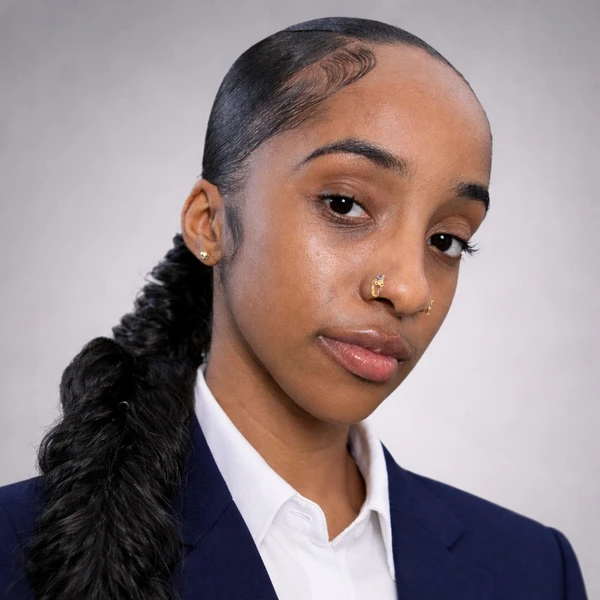
Living with selective mutism has shaped nearly every aspect of who I am, how I learn, and how I move through the world. While it is often misunderstood as shyness or unwillingness to speak, selective mutism is far more complex. It is an anxiety-based condition that affects the ability to communicate verbally in certain settings, even when the desire and capability to speak are present. Growing up with selective mutism taught me early on that my voice did not always show up in conventional ways but it also taught me that communication, strength, and leadership extend far beyond spoken words.
In academic and social settings, selective mutism often made simple interactions feel overwhelming. Participating in class discussions, asking for help, or speaking in unfamiliar environments required extraordinary mental effort. There were moments when I felt invisible, misunderstood, or underestimated not because I lacked ideas or intelligence, but because I struggled to express them verbally in real time. Over time, however, I learned to adapt. I became an intentional listener, a careful observer, and a strong written communicator. These skills allowed me to engage deeply with material, think critically before responding, and develop empathy for others who may also struggle to be heard.
Rather than limiting my growth, selective mutism strengthened my resilience. I learned how to advocate for myself, even when it was uncomfortable. I learned how to prepare, reflect, and persist in environments that were not always designed with neurodiversity in mind. Every academic milestone presentations, interviews, leadership roles represented not only achievement, but courage. Each step forward reaffirmed that progress does not require perfection, only perseverance. My experience taught me that growth is rarely loud; sometimes it is quiet, steady, and deeply transformative.
Pursuing higher education is profoundly important to me because it represents empowerment, possibility, and self-determination. Education gives me the tools to turn internal strength into external impact. It allows me to challenge narratives that underestimate individuals who communicate differently and to redefine success on my own terms. Higher education is not just a personal goal it is a platform through which I can amplify voices that are often overlooked, including those affected by anxiety, neurodivergence, and systemic barriers.
As a student, higher education has helped me develop confidence not only in what I know, but in who I am becoming. College has pushed me to step into leadership roles, collaborate with diverse peers, and engage in professional environments that once felt intimidating. Through coursework, employment, and involvement, I have learned that my experiences are not weaknesses; they are assets. They inform how I lead, how I empathize, and how I approach problem-solving with thoughtfulness and care.
Higher education is also essential to my long-term vision of creating meaningful change. I aspire to contribute to communities through leadership, business, and service, particularly in ways that expand access and equity. Education equips me with critical thinking skills, ethical grounding, and the confidence to navigate complex systems. It gives me credibility and opportunity in spaces where representation and inclusion still require intentional effort. For me, education is a bridge between lived experience and lasting impact.
Ultimately, selective mutism shaped my journey, but it does not define my limits. It taught me resilience, patience, and self-awareness. Pursuing higher education allows me to honor that journey by continuing to grow, lead, and serve with authenticity. I am committed to using my education not only to elevate myself, but to advocate for inclusive spaces where every voice spoken or not is valued. Through higher education, I am not just finding my voice; I am learning how to use it with purpose.