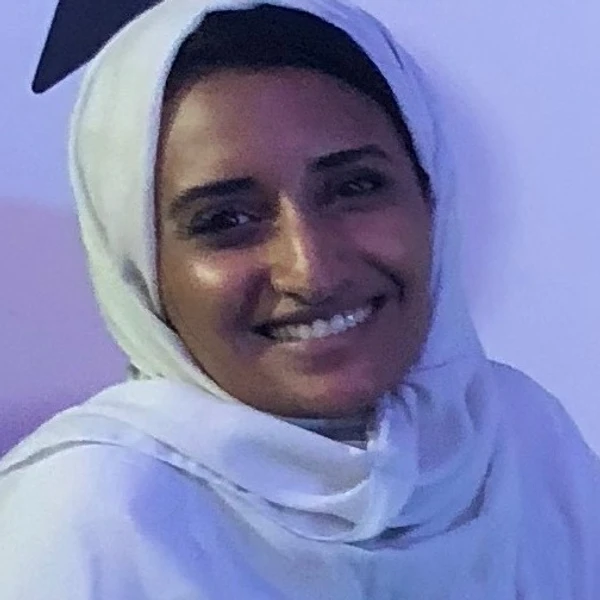
My experiences with mental health have had a profound influence on my beliefs, relationships, and career aspirations. As a cultural liaison for the Department of State in Saudi Arabia, I initially thought that this was my lifelong career path, blending my American background and native Arabic fluency to facilitate connections between Saudi students and U.S. educational opportunities. However, it was during this time that I encountered a pivotal moment that changed the trajectory of my life. The work culture at the State Department was extremely difficult on my mental health - due to the burnout culture. While I was still in Saudi Arabia, I had the privilege of meeting Lama Basri, a sports physical therapist. It was in a gym, where I had taken physical therapy appointments, that I witnessed her work and its transformative impact on people's lives. It was at that moment that I felt a deep calling within me. I realized that my true passion lay in the field of physical therapy, where I could make a tangible difference in the lives of those in need.
Now, you may wonder, why would I embark on this path at the age of 33. The answer lies in the difficult life lessons I have learned. My younger sister, Sedika, has battled Sickle Cell Disease since birth. Her journey has been one of immense suffering, marked by excruciating pain and prolonged hospital stays. Witnessing her struggles, and the toll it took on our family, had a profound impact on me. I, too, faced my battles with depression and anxiety as a result of this ongoing trauma. However, it was amid this hardship that I saw the incredible power of physical therapy. I watched as my sister underwent physical therapy and, through sheer determination and the expertise of her therapists, transformed her life. It was a remarkable journey of resilience and healing. Her story illuminated the crucial role played by compassionate therapists in the rehabilitation process. Choosing physical therapy helped my mental health because I love the field.
Through these experiences, I have developed a deep understanding of the significance of physical therapy and the transformative power it holds. I firmly believe that integrity and compassion are the cornerstones of successful patient rehabilitation. For chronically ill patients, their journey is fraught with challenges, and it is essential that their medical care is not just effective but also delivered with empathy and integrity. Unfortunately, I have also witnessed the lack of ethics and integrity in healthcare settings, a troubling issue that can exacerbate trauma and hinder the recovery process. This issue is especially pronounced for chronically ill patients from marginalized communities, who often face disparities due to medical racism and discrimination. As a member of such a community, I am deeply committed to providing equitable healthcare and advocating for better representation in the field. My approach to my physical therapy career will help patients through their rehabilitation process.
So, why do I want to become a physical therapist? My decision is grounded in a combination of personal experiences, a clear vision, and an unwavering commitment to addressing healthcare disparities. This scholarship will play a crucial role in enabling me to achieve my goal of becoming a physical therapist, armed with the tools and knowledge necessary to make a difference in the lives of individuals like my sister. I bring to this journey resilience, empathy, and a profound sense of purpose. These qualities are essential for a successful physical therapist, and I am confident that I can deliver meaningful and positive care to the patients I serve. Just as Catrina's commitment to equitable healthcare representation has inspired me, I, too, am dedicated to helping individuals across all communities and advocating for healthcare that is truly accessible to all.