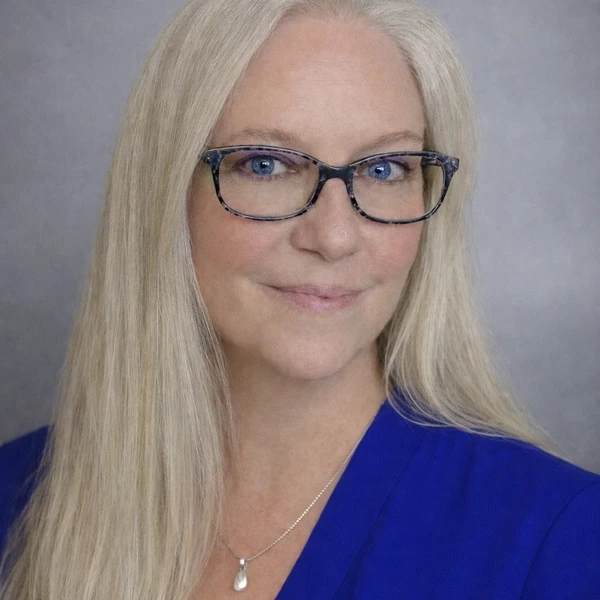
My goal is to become licensed to practice counseling. I have worked in the mental health field for 15 years. I am 55 years old, and I have always wanted to become licensed. Unfortunately, my degree is old enough that it doesn’t count towards licensure requirements. My only option to become licensed is to complete a CACREP accredited program. I won’t let anything stand in my way, so I enrolled in a Clinical Mental Health Counseling program. I am not your traditional student, for sure. I currently have a 4.0 GPA, and I intend to graduate with that GPA. A scholarship would be a catalyst in making graduation a reality for me. I have utilized all my savings, but I have completed 57% of my degree program in 9 months! This sounds like a goal worth supporting, doesn’t it?
My passion is working with children and families who have experienced childhood trauma, and I have spent a great deal of time in doing just that. What Does Trauma Look Like?
Adults – anger issues, anxiety, depression, difficulty with developmental expectations, inconsistent employment, unstable relationships, distrust of others, poor boundaries, difficulty parenting, substance abuse, disengagement, controlling behaviors
Adolescents – anger, significant behavior and mood changes, distrust of others, promiscuity, school behavior and performance issues, truancy, court involvement, substance abuse, defiance, running away, depression, self-injury, suicidal and/or homicidal ideation, isolating behaviors, extreme compliance, zoning out, bullying
Children – rages, extreme friendliness (no “stranger danger”), tearfulness, thumb-sucking, whining, separation anxiety, defiance, regressive behaviors (bedwetting after being dry), sexualized behaviors, depression, school behavioral problems, detachment, zoning out, need for increased structure, poor affect regulation
Research has shown that early childhood trauma impacts brain development. Childhood trauma may lead to psychiatric problems in childhood, adolescence, or adulthood. The victim’s anger, shame, and despair can be directed inward, resulting in depression, anxiety, suicidal ideation, and post-traumatic stress or directed outward as aggression, impulsiveness, delinquency, hyperactivity, and substance abuse.
Childhood trauma can cause physical scarring to the brain. One study found a significant link between adults who experienced childhood maltreatment with a smaller insular cortex, part of the brain involved in emotional regulation. The researcher, Dr. Nils Opel stated that “Given the impact of the insular cortex on brain functions such as emotional awareness, it’s possible that the changes we saw make patients less responsive to conventional treatments” (Opel, 2019).
Cranial Nerve #7: The Facial Nerve. The Facial Nerve feeds the middle ear muscles. Childhood trauma can affect the Facial Nerve, resulting in the middle ear muscles functioning improperly. Background noises interfere with the ability to distinguish words and sounds of the human voice from noises like air conditioners, heaters, or refrigerators. A child will look directly at you but doesn’t seem to be listening because they are trying to figure out what is being said and expected of them. They may also have speech problems (Porges, 2020).
Cranial Nerve #10: The Vagus Nerve. This pair of nerves control the heart, lungs, and digestive system. When impacted, there may be digestive, bedwetting, and elimination issues. A child may experience emotional dysregulation and lack social skills. They will have extreme emotional outbursts, meltdowns, and violent reactions to seemingly minor things (Porges, 2020). I know how to treat these issues, but I can’t until I’m licensed. I would be grateful to receive a scholarship.
Opel, Nils. Childhood trauma scars the brain and boosts depression risk. University of Münster,
Germany, March 2019.
Porges, S. (2020, December 11). TU93: Polyvagal Theory in Action – The Practice of Body
Regulation With Dr Stephen Porges. Therapist Uncensored.
https://therapistuncensored.com/episodes/tu93-polyvagal-theory-in-action-the-practice-of-
body-regulation-with-dr-stephen-porges/